The House of Five Roofs on the Volga
For us, architecture is about bringing experiences into people’s lives that simply aren’t possible in a city apartment. City living, by contrast, often has its potential constrained by regulations, fixed layouts, and limited material choices. A home of your own offers true freedom and comfort. We designed this house on the Volga to give our clients the chance to transform their daily lives — and experience something they could never realize in the city.
| Location |
Tver Region, Russia |
| Size |
279 m2 |
| Facade materials |
Larch shingles, flexible porcelain stoneware |
| Clients |
An active family planning to have two children |
| Stage |
Design |
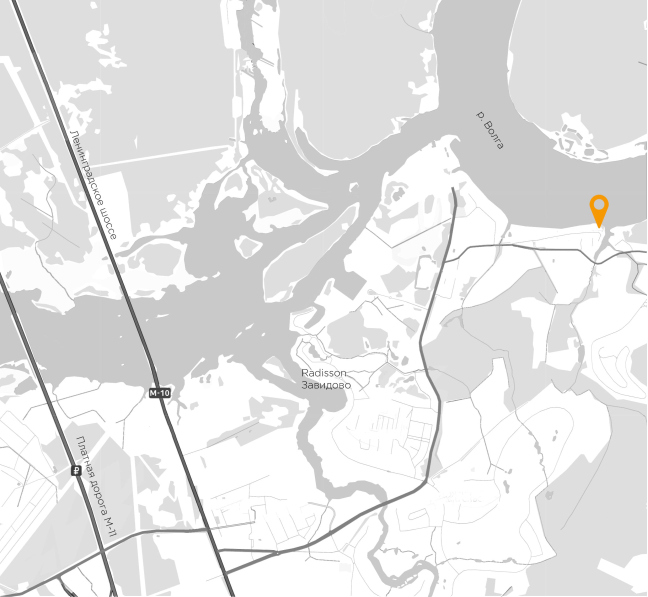
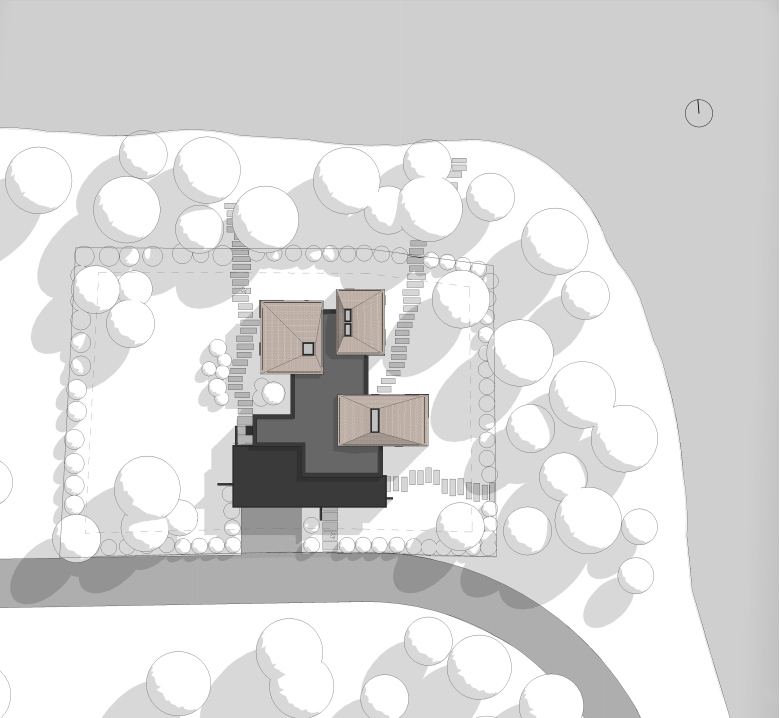
The clients approached us while searching for a plot. They lead an active lifestyle, value being close to water, and continue to work in Moscow — so finding a location no more than two hours from the city was key. After exploring several options with one of our architects, they settled on a picturesque site in the Tver region. The plot sits right on the water’s edge, with the Volga on one side and a small inlet on the other. A quiet cul-de-sac leads to the property, ensuring complete privacy.
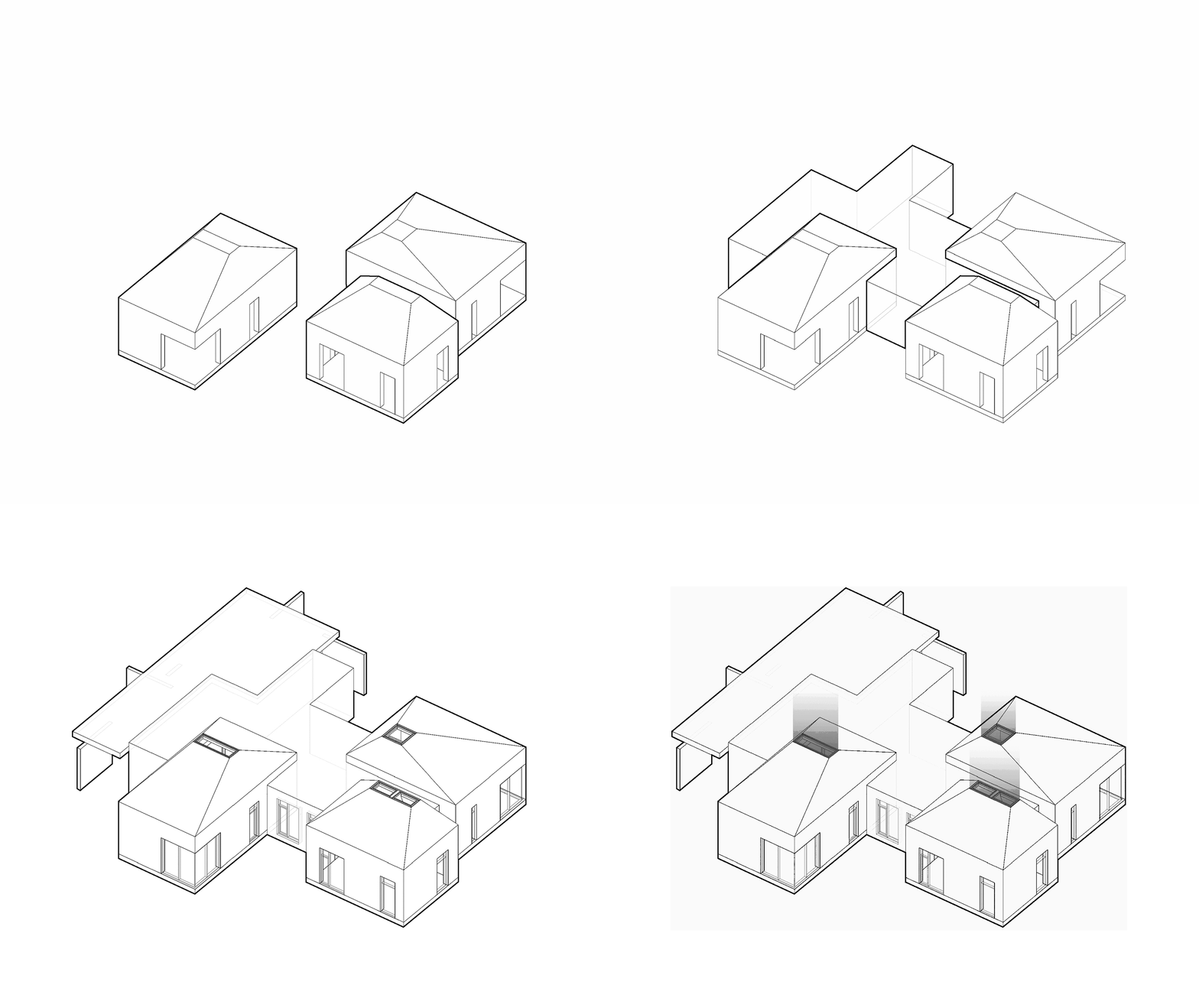
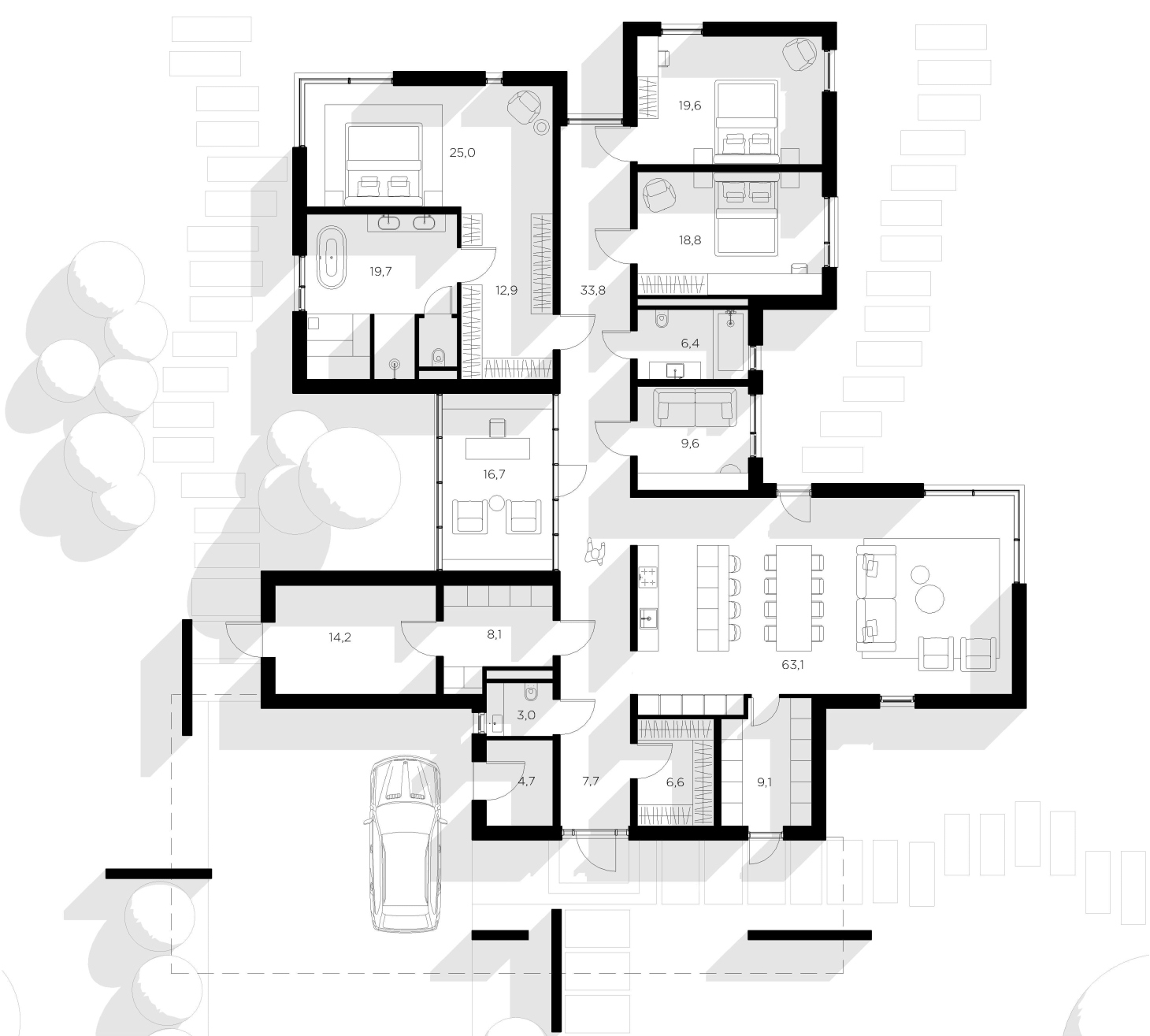
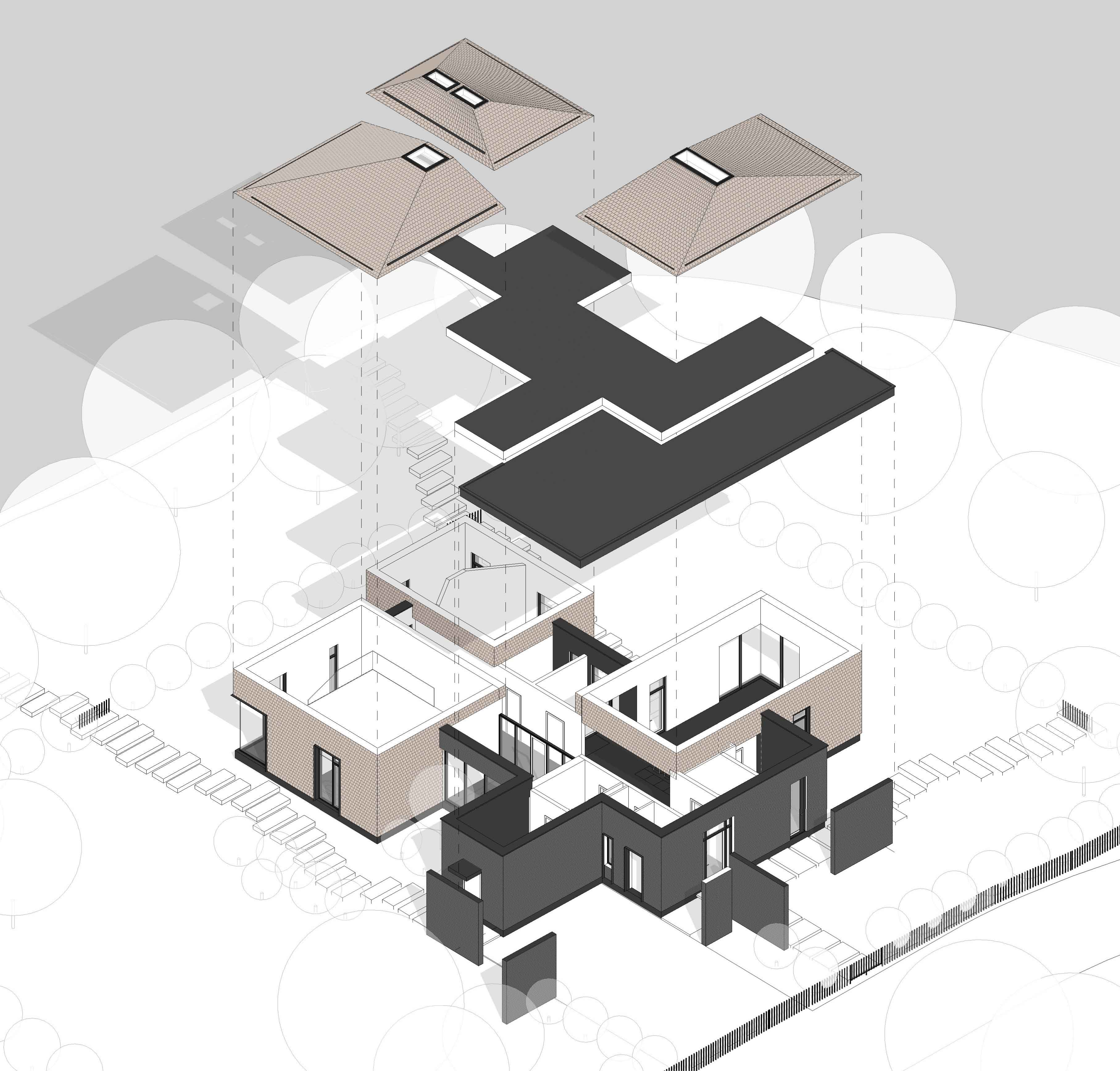
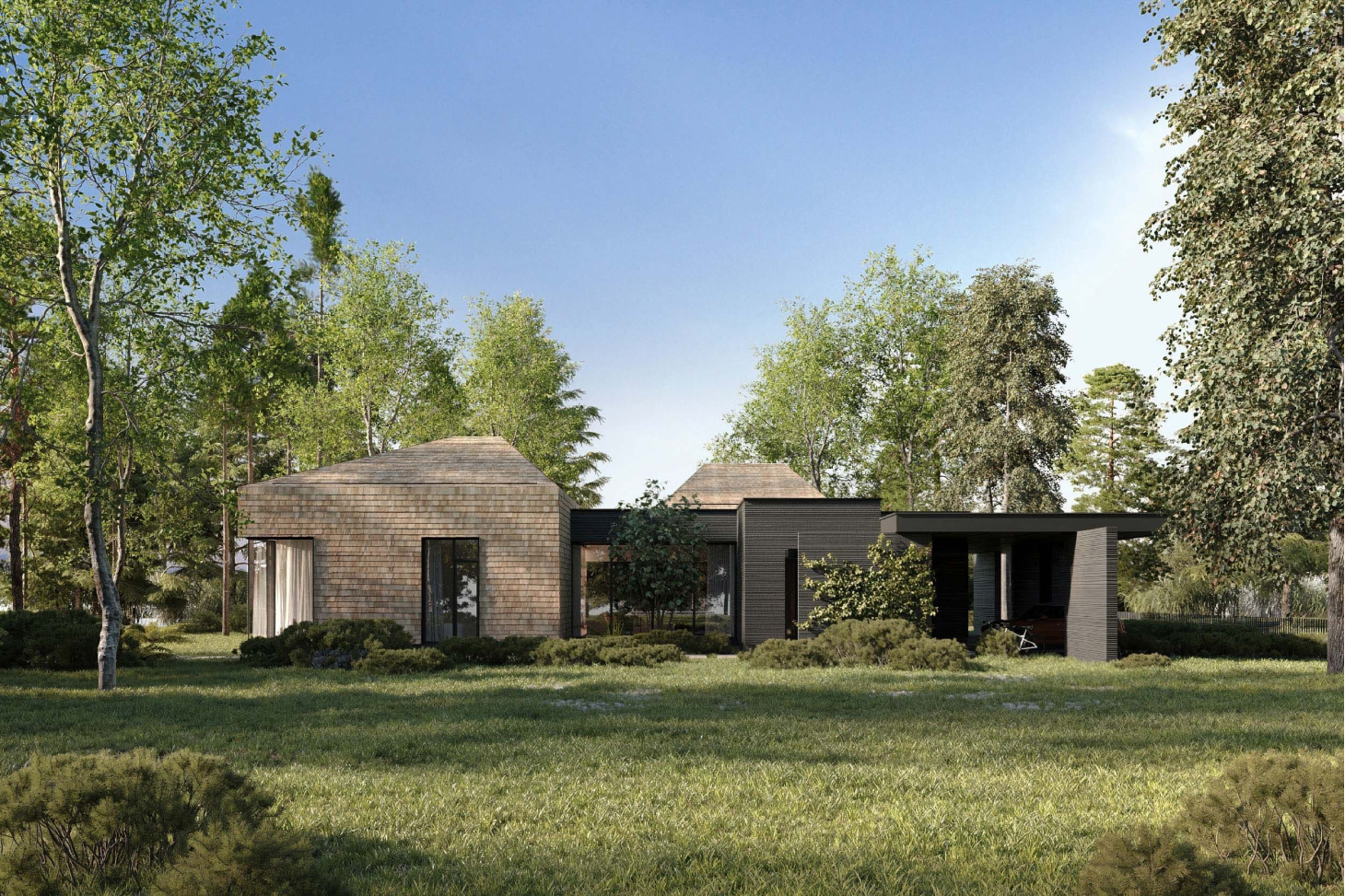
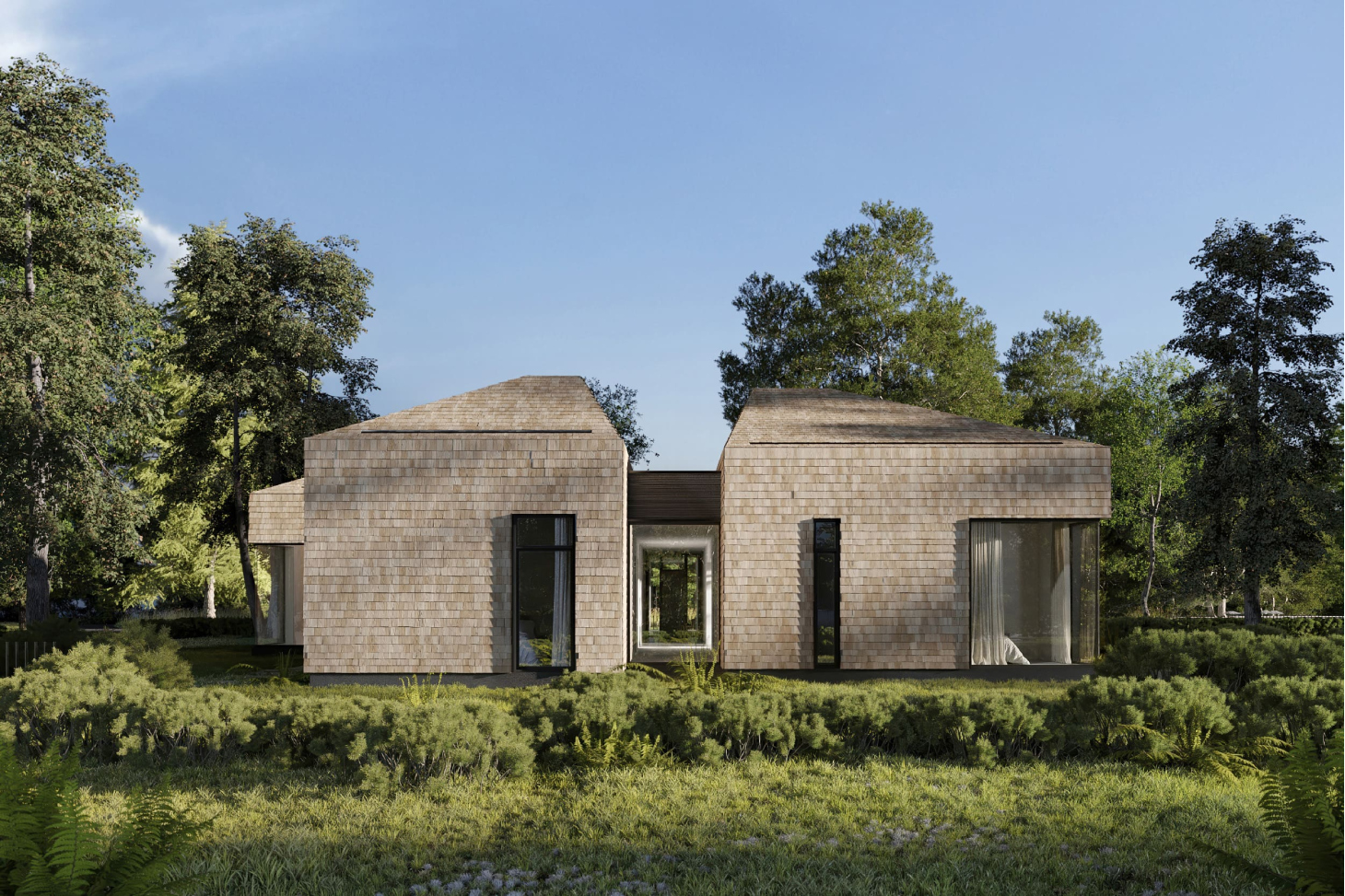
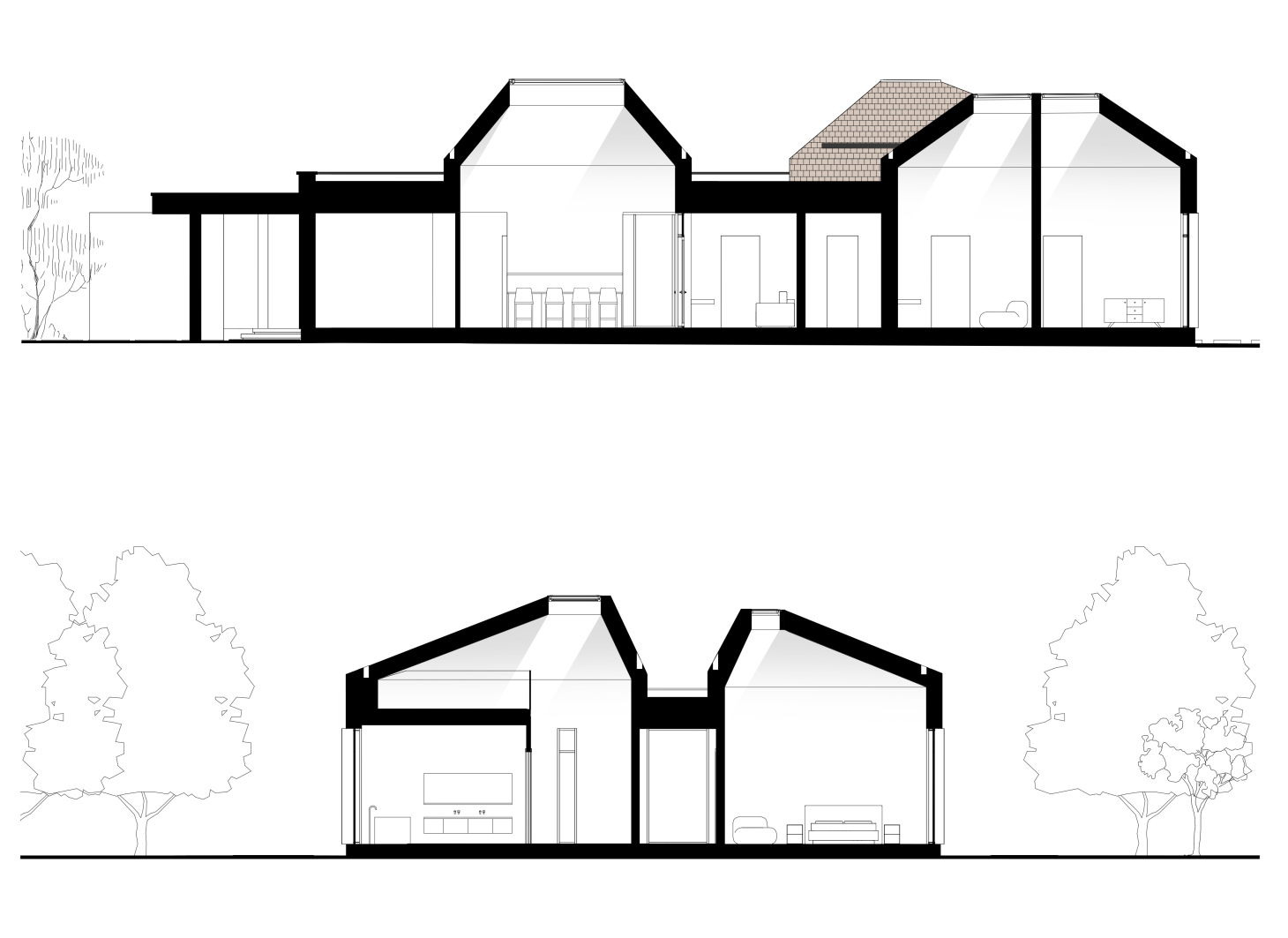
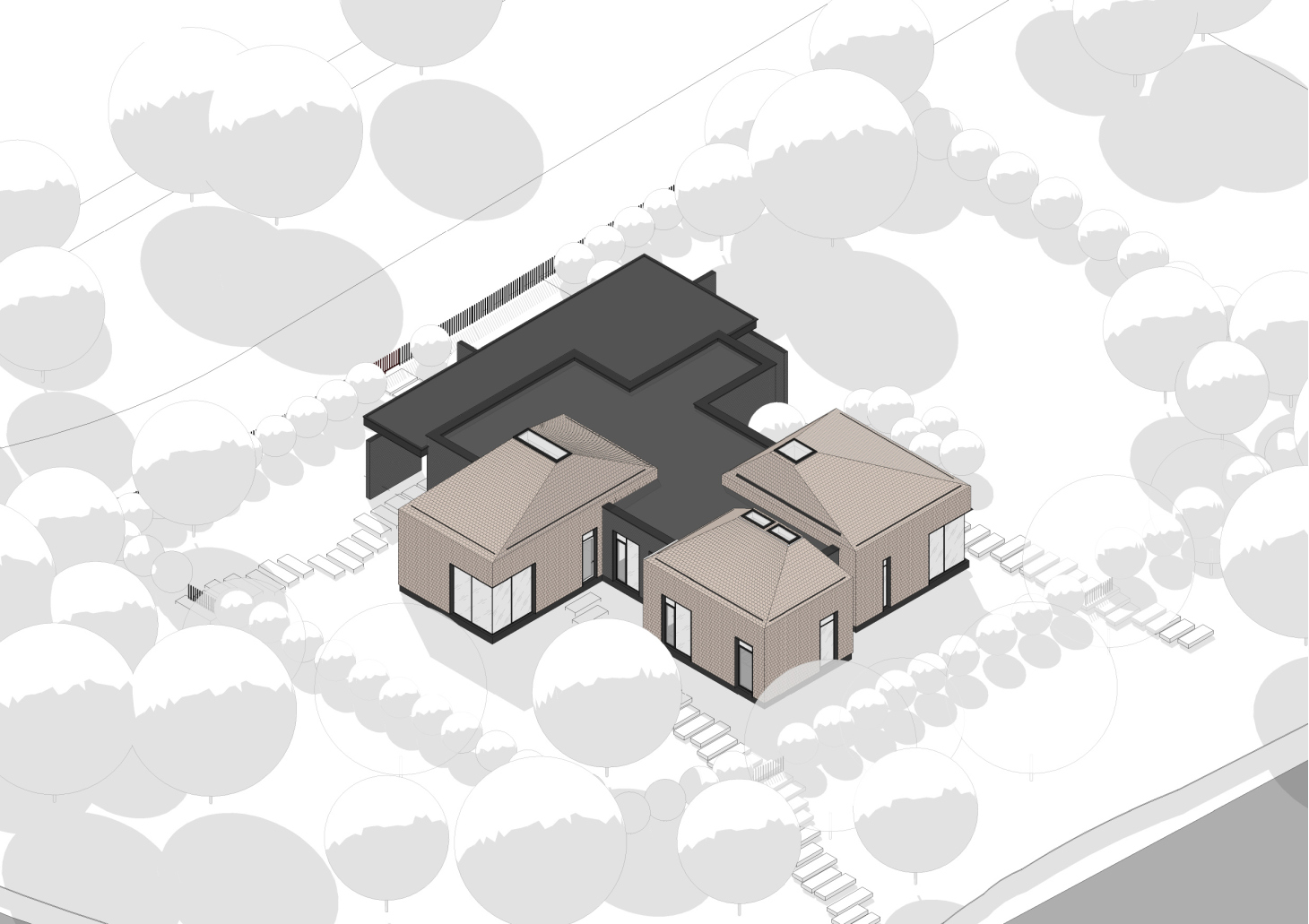
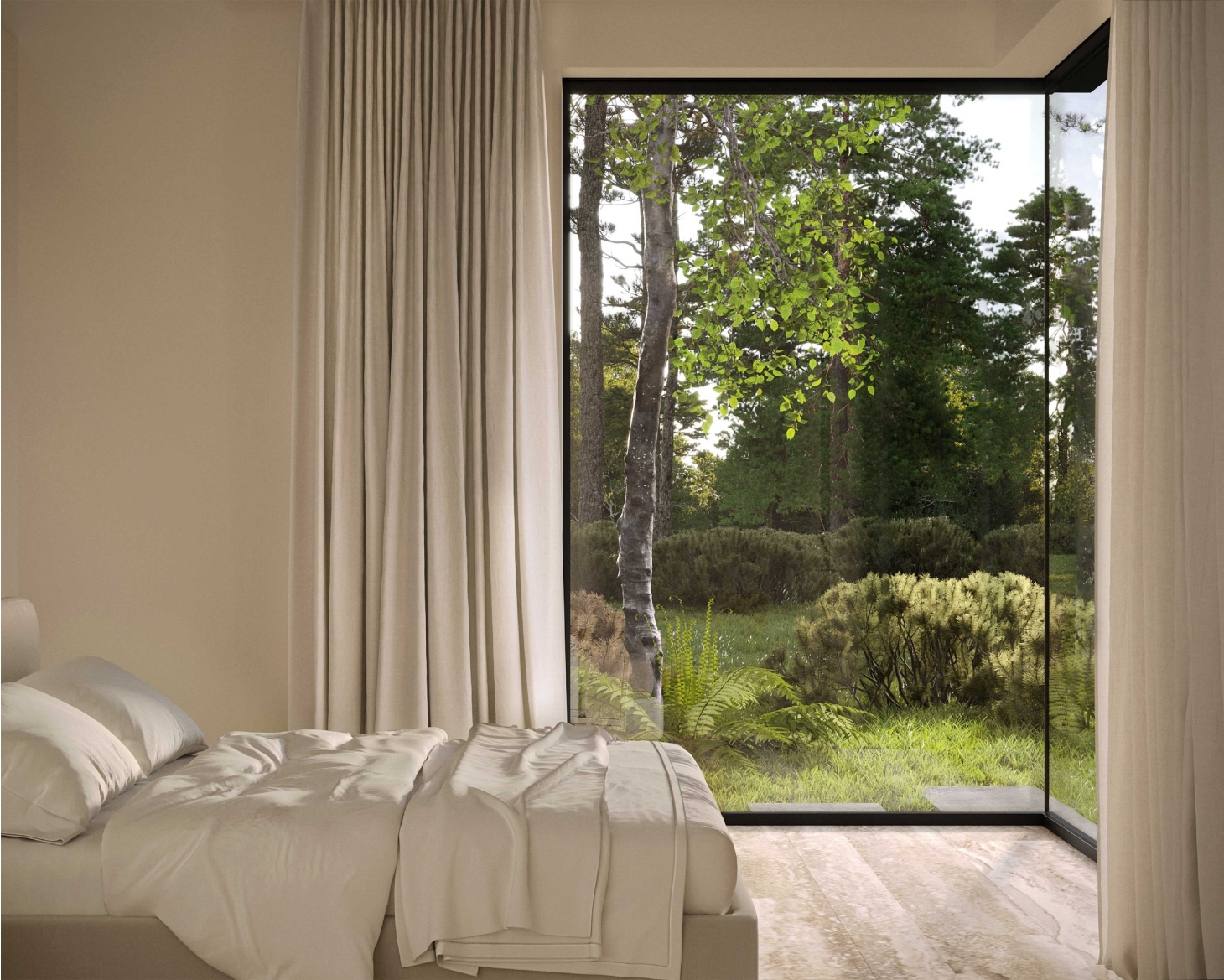
We started by designing three main, tall volumes to serve as the living areas. The first volume includes a spacious kitchen and living room; the second contains a master bedroom with a walk-in closet and a bathroom; and the third one consists of two kids' rooms. These three volumes are oriented to provide beautiful views of nature, whether of the river or the garden, with each window offering a unique perspective.
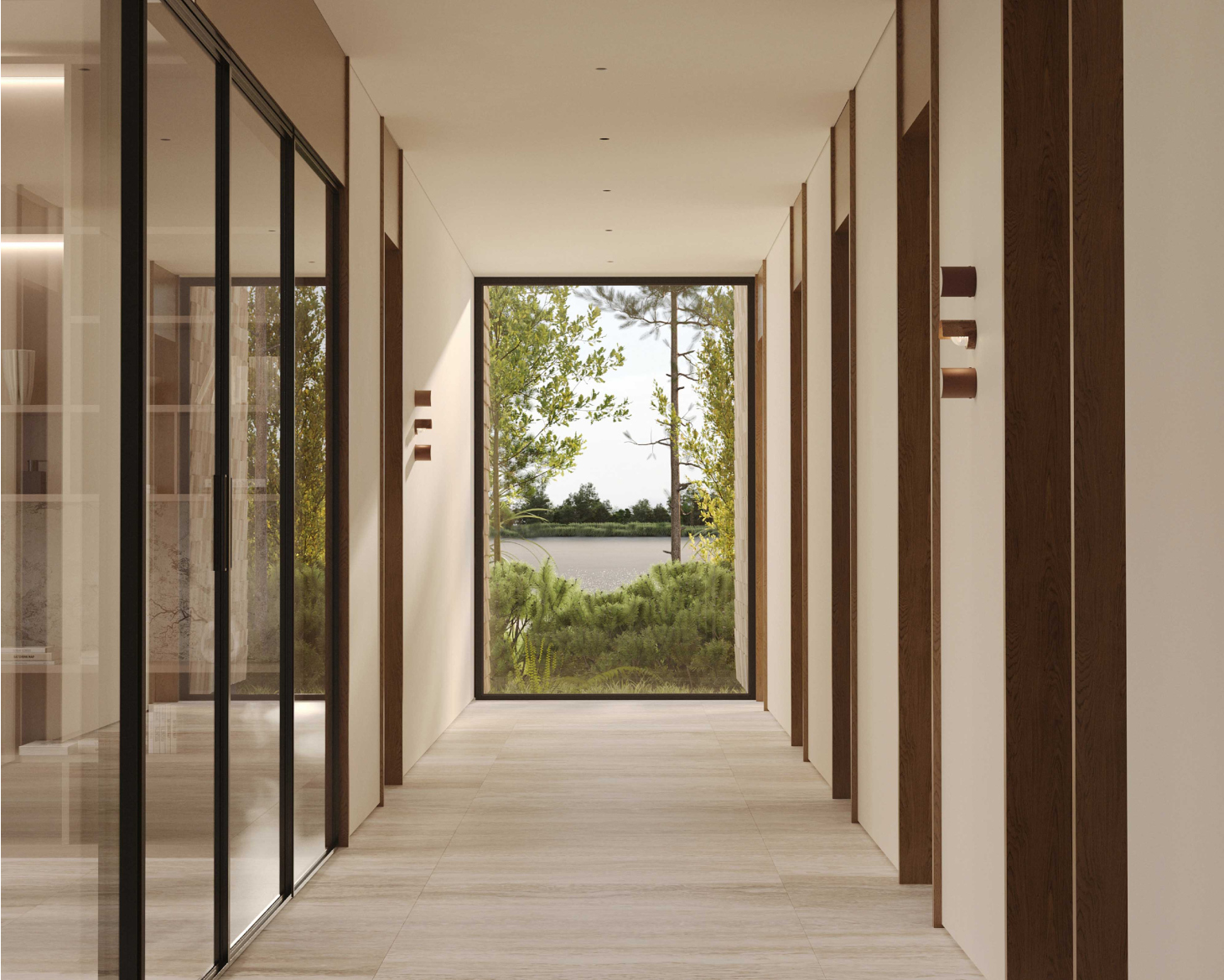
We connected the three main living spaces with a hallway, which also incorporates several secondary rooms: a study, a guest bedroom, a guest bathroom, and utility rooms. At the end of the hallway, a large window marks the final point of both the visual and physical journey through the house. From the moment someone enters, they are connected with the surrounding landscape.
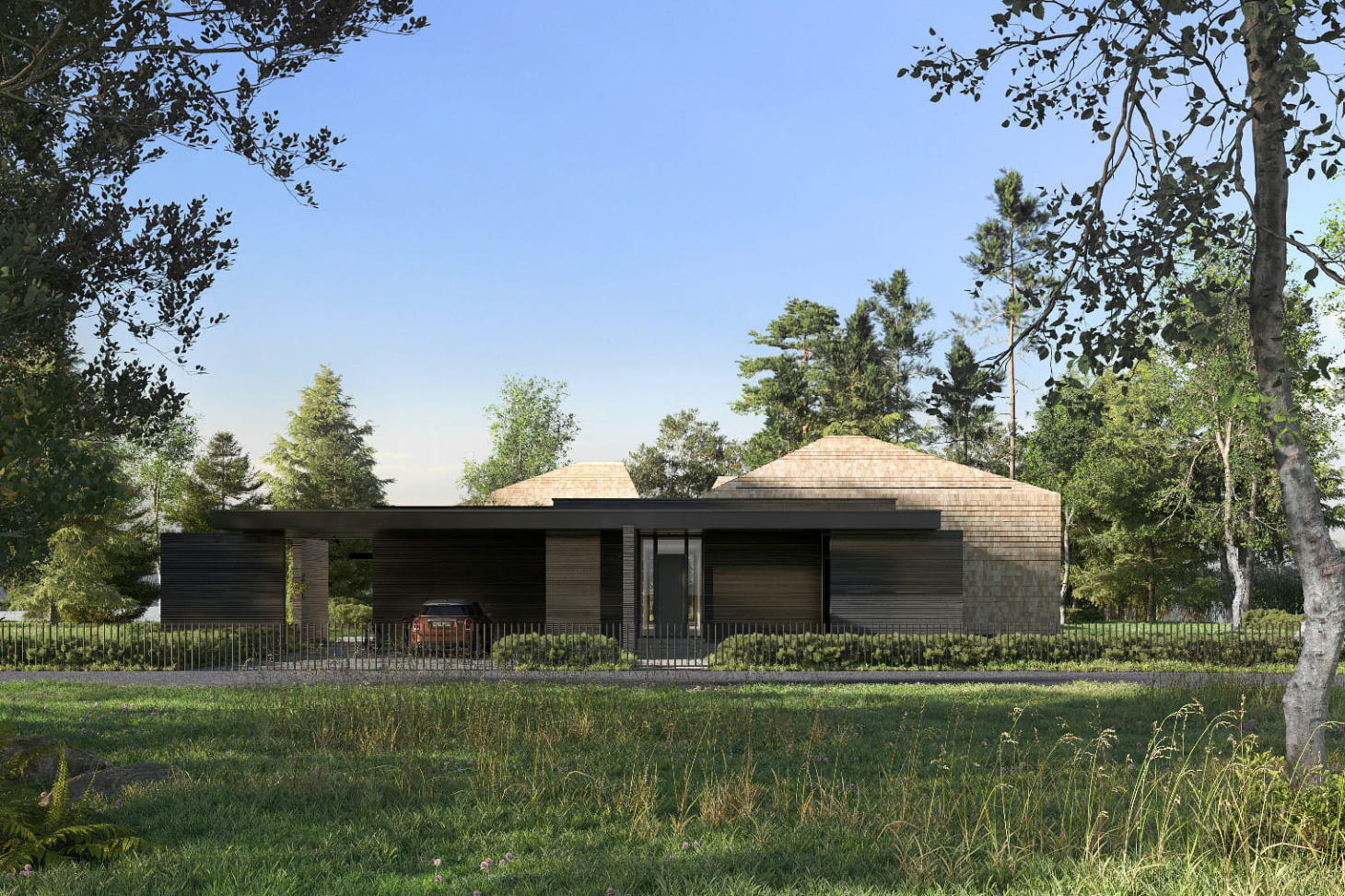
The layout of the house creates a welcoming atmosphere right from the entryway, contrasting with the nearly monolithic facade facing the road. Homeowners immediately feel the spaciousness upon entering while enjoying natural light streaming in through multiple windows. The open hallway flows seamlessly into the kitchen-living room area, allowing evenings with friends and easy access to the shore or garden for barbecues and other activities.
Another architectural decision was to leave the kitchen-living room open to the hallway without doors, which offers additional views of the picturesque plot through the glass study. The bedrooms are positioned away from the entrance for privacy from the road and neighbors, separated by a study and a guest suite with its own bedroom and bathroom.
In the master bedroom, kids' rooms, and kitchen-living room, ceilings reach up to 6 meters. Skylights enhance these spaces as an innovative design feature — more on them below.
This house will welcome the family and guests with light and a sense of calm, inviting them to unwind.
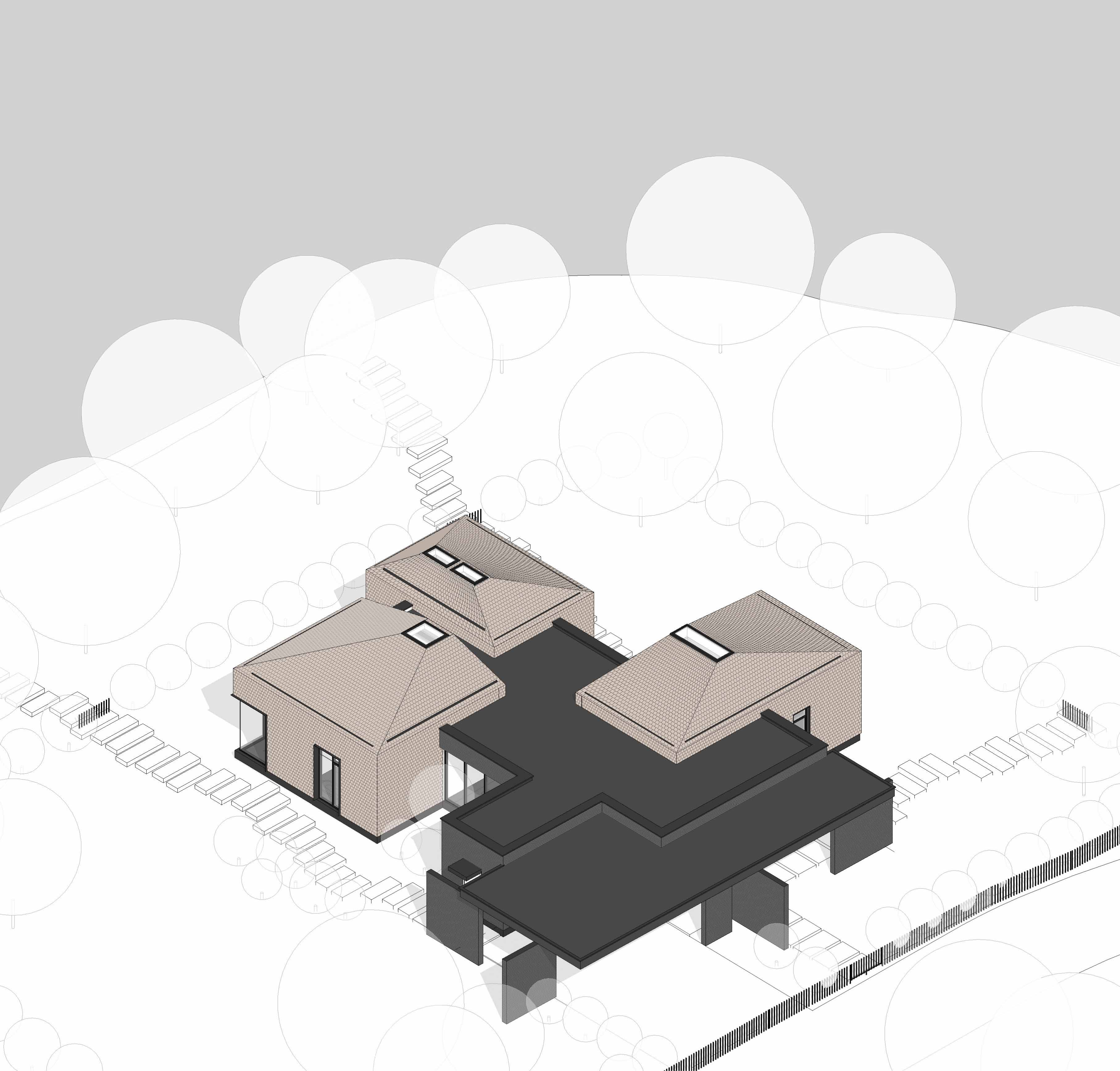
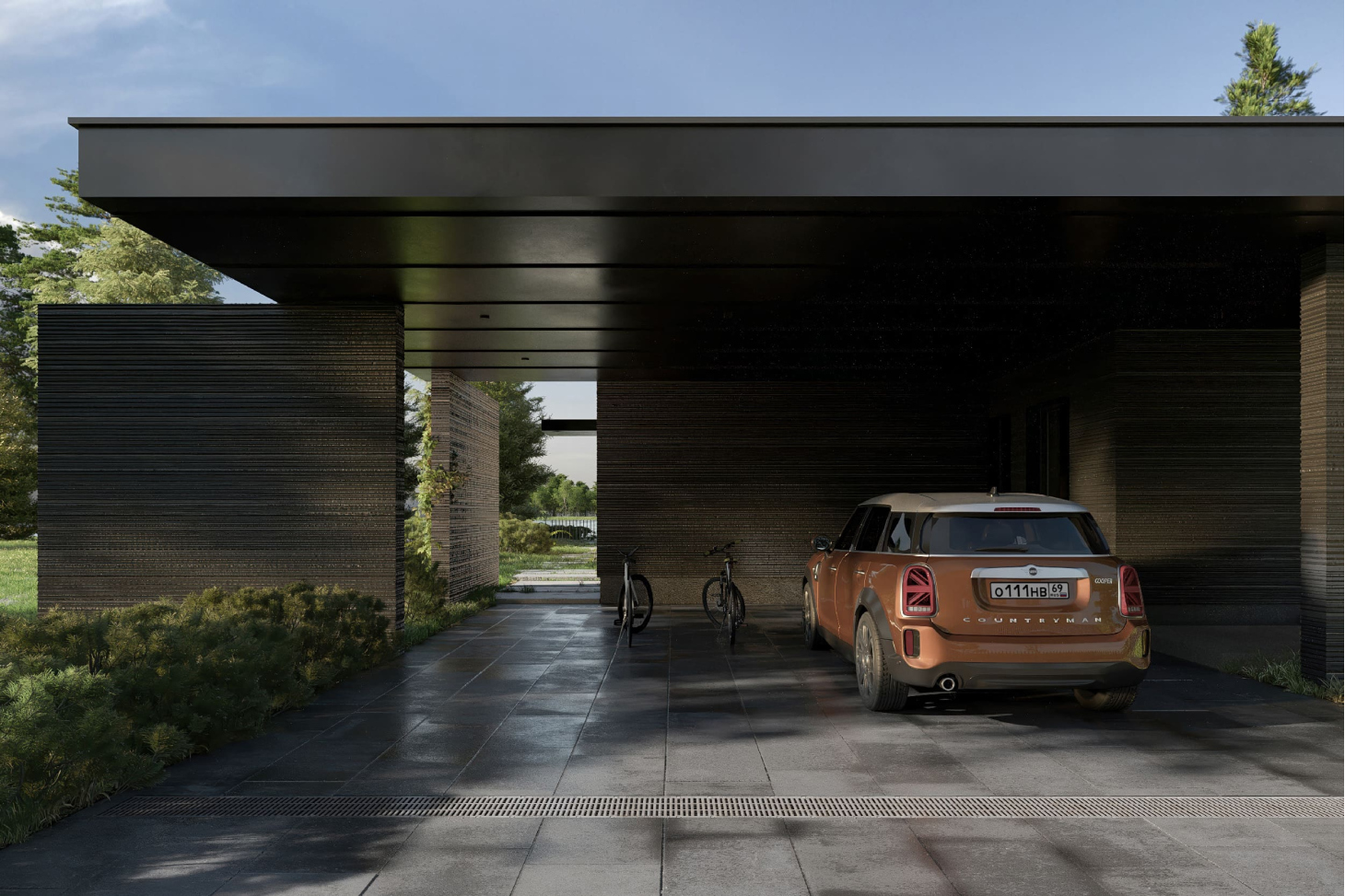
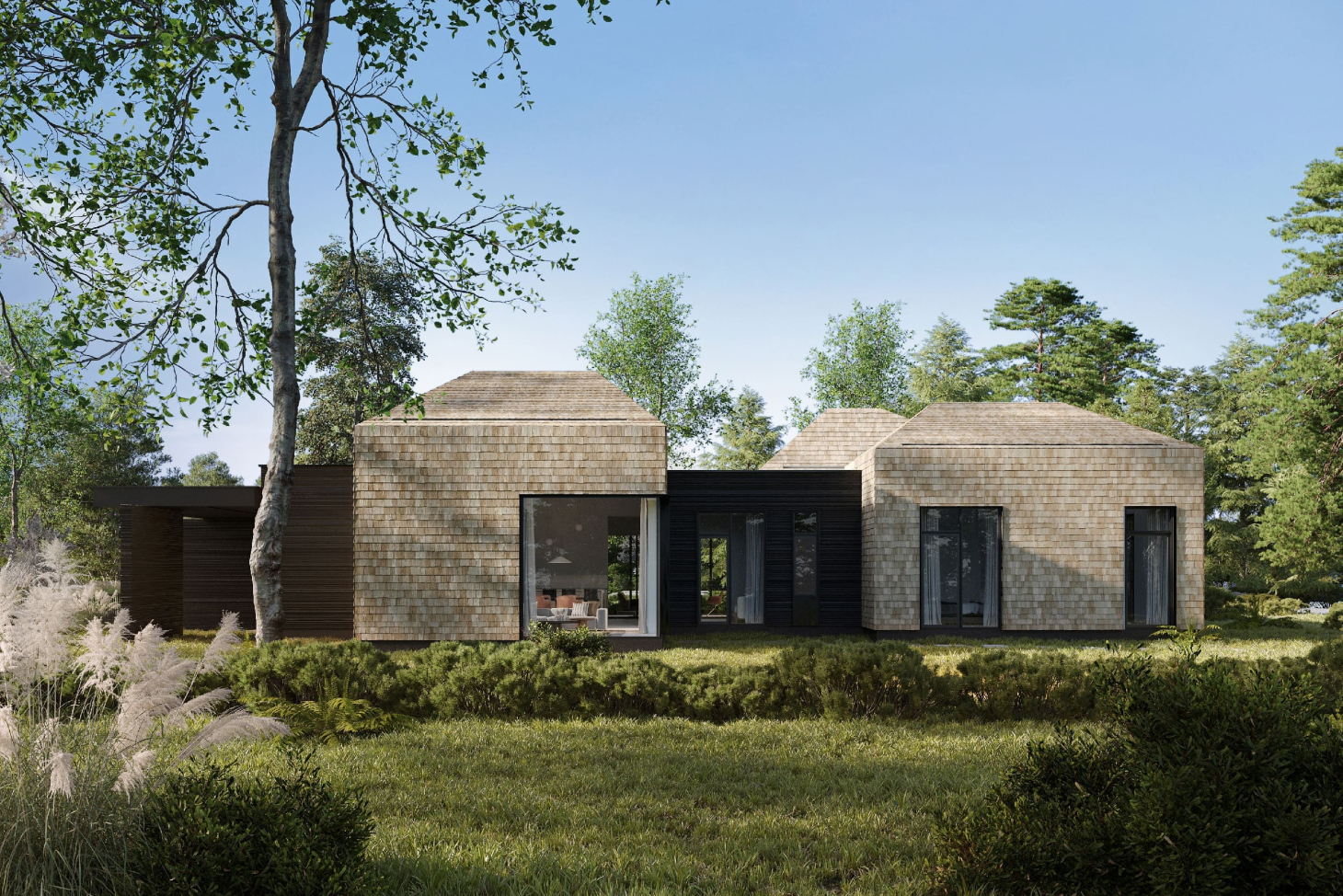
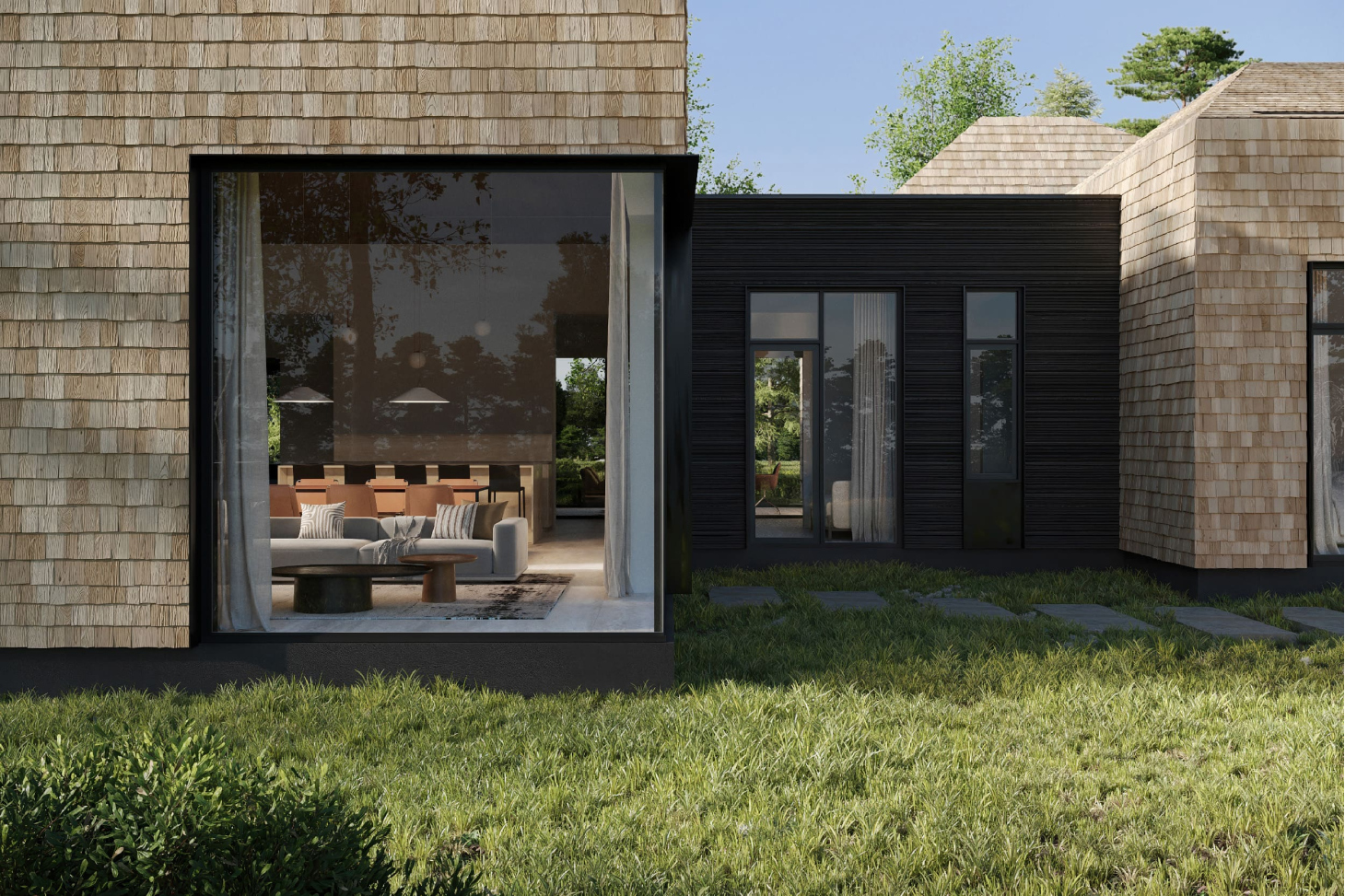
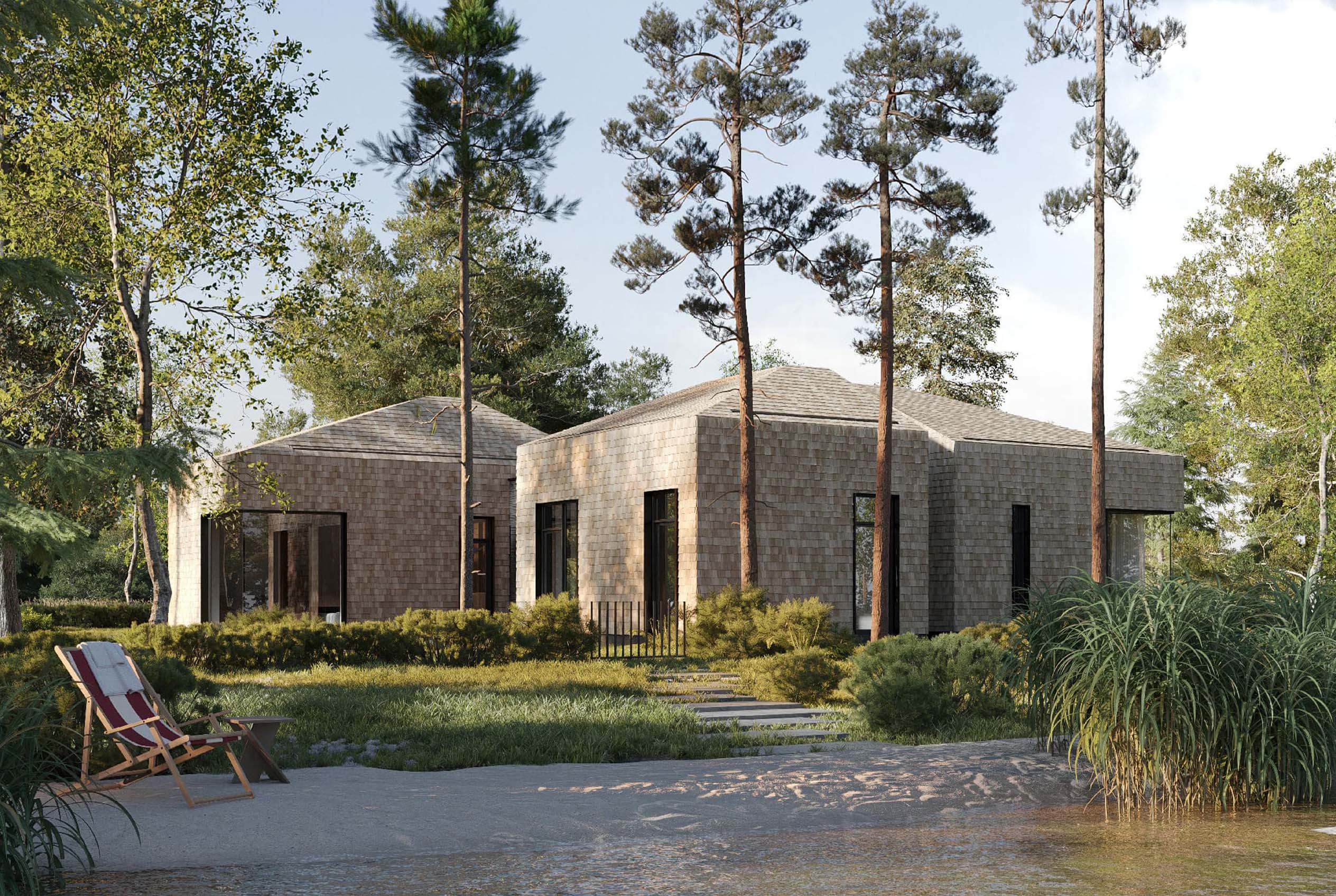
The house presents a dark, windowless facade to the street, while the fence remains low and barely there. To the left of the entrance, a canopy provides cover for cars and bicycles. It continues along a path that leads past the study windows to the garden and the river. This section of the facade and the wall to the right of the front door are clad in dark porcelain stoneware — a deliberate contrast to the material used on the taller volumes. The effect introduces a sense of dynamic tension to the architecture, subtly hinting at the functions within: the dark ones for utility, the light ones for living.
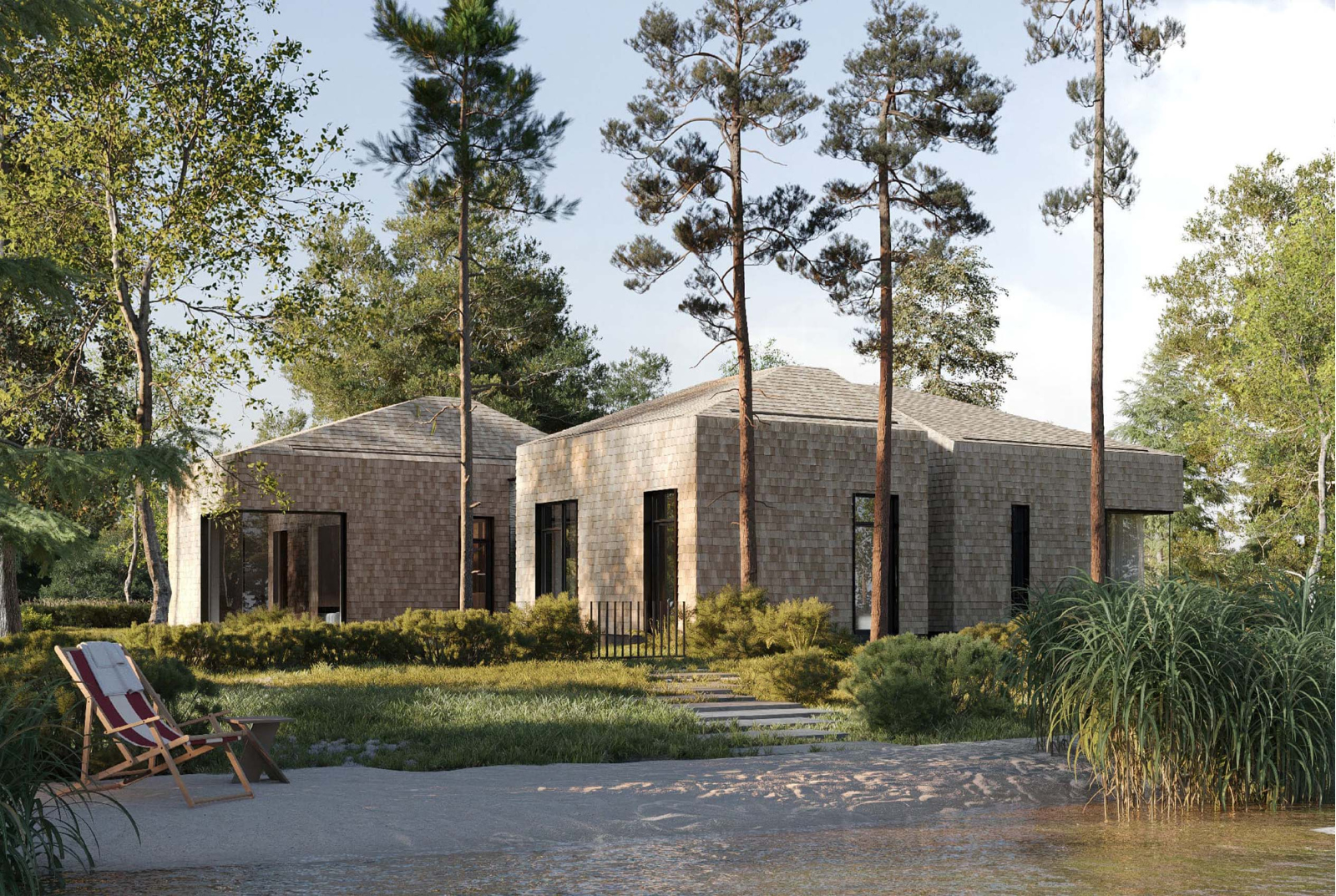
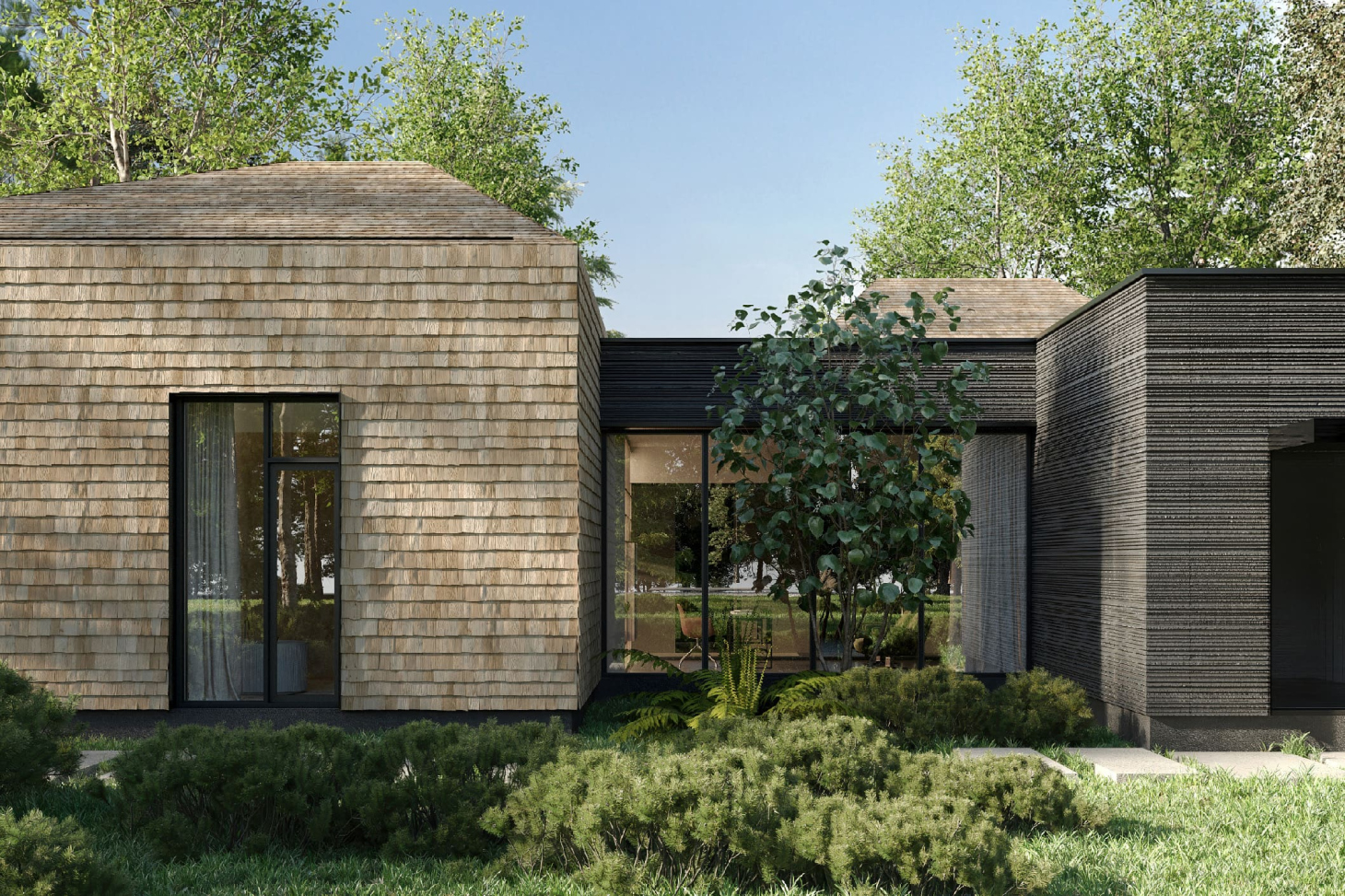
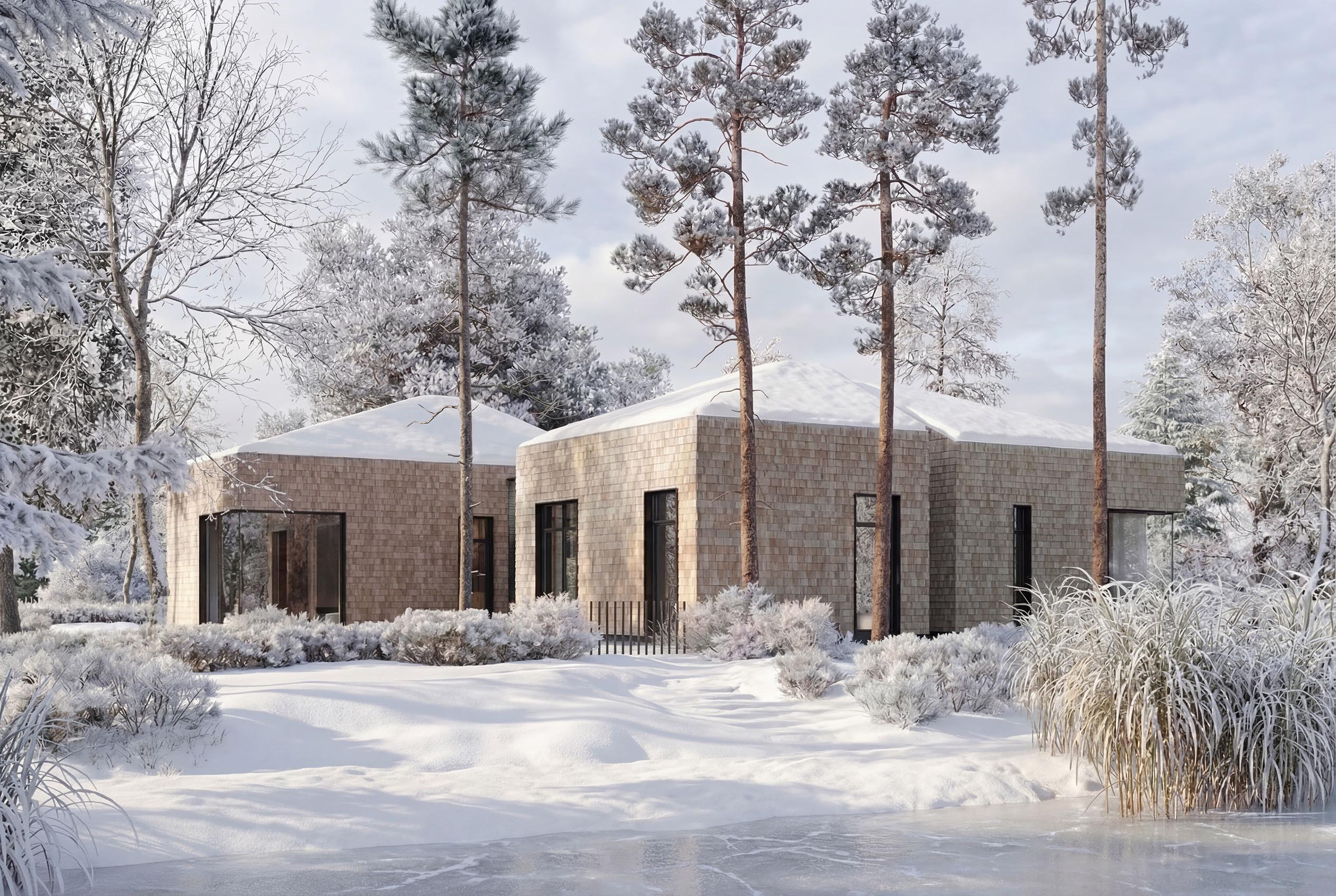
For the facades and roof, we used larch shingles — also known as shakes. The material has a rich texture that will evolve over time, gradually weathering to a silvery gray, allowing the house to blend even more deeply into its natural surroundings. The shingles resemble the scales of a river fish, a quality that makes them particularly fitting for this home.
The house is oriented north, toward the Volga, with almost no south-facing windows. To bring more light into the living areas, we added skylights. As a result, the rooms are filled with sunlight during the day, and on clear nights, the sky opens up above — especially vivid far from the city lights.
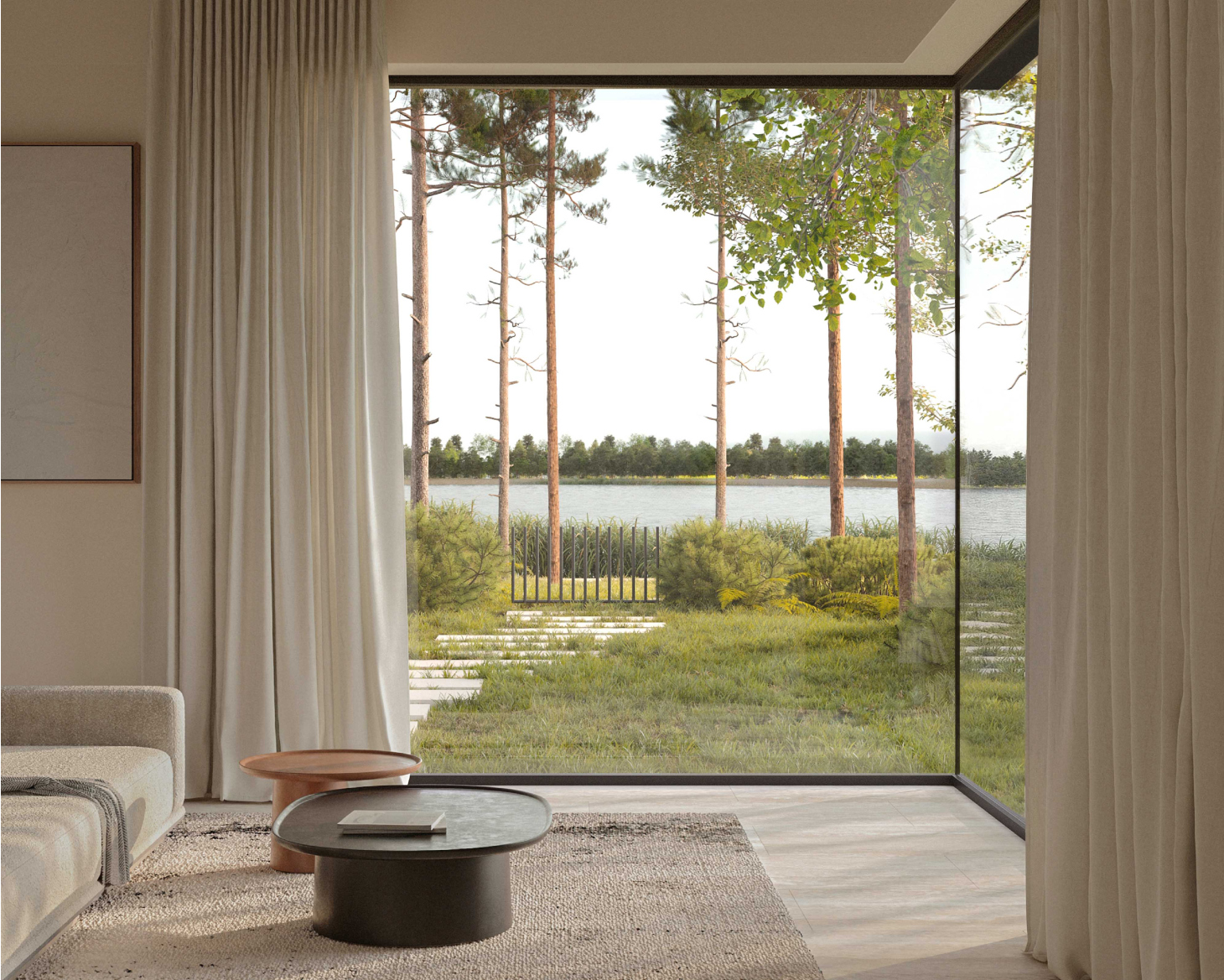
In the living room, a 3-meter corner window captures the view where the Volga meets a small inlet. The kids' bedrooms are arranged so they don't compete for sightlines with the main living space — all the living areas are carefully oriented to work in tandem. At the same time, the kitchen and living room help define a small courtyard, screening part of the garden from the road and creating a private spot for outdoor furniture and sunbathing.
For us, designing a house means designing its interior, too. This integrated approach allows us to seamlessly unite architecture and design, form and content — and, with great care, shape a living environment that is at once fundamentally new and deeply comfortable for those who live there.
Viewed from the shore, the house calls to mind a fishing village, with its clustered gable roofs. The clients were immediately drawn to this imagery — water has always been central to their lives. With this house, we've created a way of living that simply doesn't exist in the city: architecture that works in concert with the layout, one that's shaped by their goals and how they live.